
Soffit Repair vs. Replacement: How to Know When to Patch or Replace
Soffits may not be the first thing people notice about your home, but they’re quietly doing an important job — protecting the roofline and keeping the air moving through your attic.
When one develops a crack, a stain or a hole, ignoring it can let moisture and pests work their way into places you really don't want them.
But does that damage call for a quick patch, or is it time for a full replacement?
The right call depends on what's causing the damage and how far it's spread. Here's how to check your soffits and figure out which approach fits your situation.
Understanding the Role of Soffits
A soffit is the finished surface underneath the roof's overhang, where the roofline meets your exterior walls. Beyond giving the eaves a clean, finished look, soffits provide a pathway for air entering a vented attic.
Attic ventilation helps control moisture and supports the durability of the entire roof system. The U.S. Department of Energy recommends that air enter low through your soffits and exit higher up through roof or ridge vents. Continuous soffit vents are an effective way to provide that intake.
A damaged, deteriorated or blocked soffit can contribute to poor ventilation, moisture issues, higher energy costs and structural damage.
Common Types of Soffit Damage
Before deciding between soffit repair or replacement, identify what caused the damage. Water, pests and physical impacts all affect soffits differently.
Water Damage
Water damage is one of the most common causes of soffit failure. Persistent moisture leads to dark staining, peeling paint, warped panels and structural rot, all red flags highlighted by the U.S. Department of Energy.
Whether the source is overflowing gutters, roof leaks or poor attic ventilation, you must fix the leak first. Patching over active moisture only leads to recurring damage.
Pest Damage
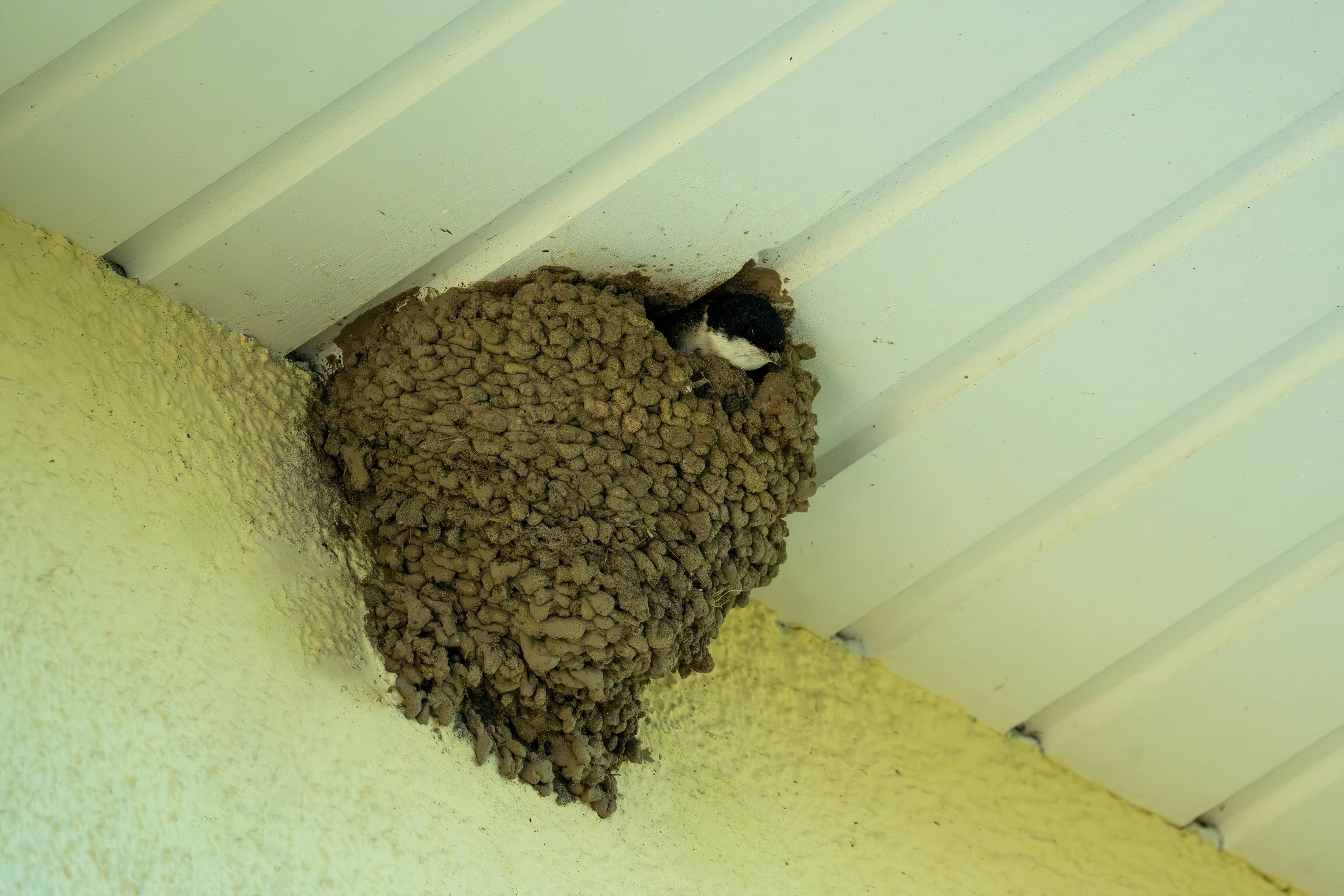
Birds, insects and rodents easily exploit small gaps along the roofline. Look for nests, droppings, chewed wood or scratching sounds in the eaves.
Wood soffits are especially vulnerable to termites and woodpeckers. Termites alone cause over $40 billion in global damage annually, often starting in damp areas like soffits before spreading to the underlying roof frame.
Physical Damage
Cracks, dents and loose panels usually trace back to falling branches, high winds or accidental ladder impacts. Unlike water or pest infestation, physical damage is often localized to a single impact site.
When Soffit Repair Is the Right Choice
Repair is generally the best option when damage is isolated, the underlying wood is dry and neighboring panels are structurally sound.
Minor Localized Damage
If an issue is confined to a single panel or small area — such as a cracked corner or isolated pest hole — a targeted repair or section replacement makes sense.
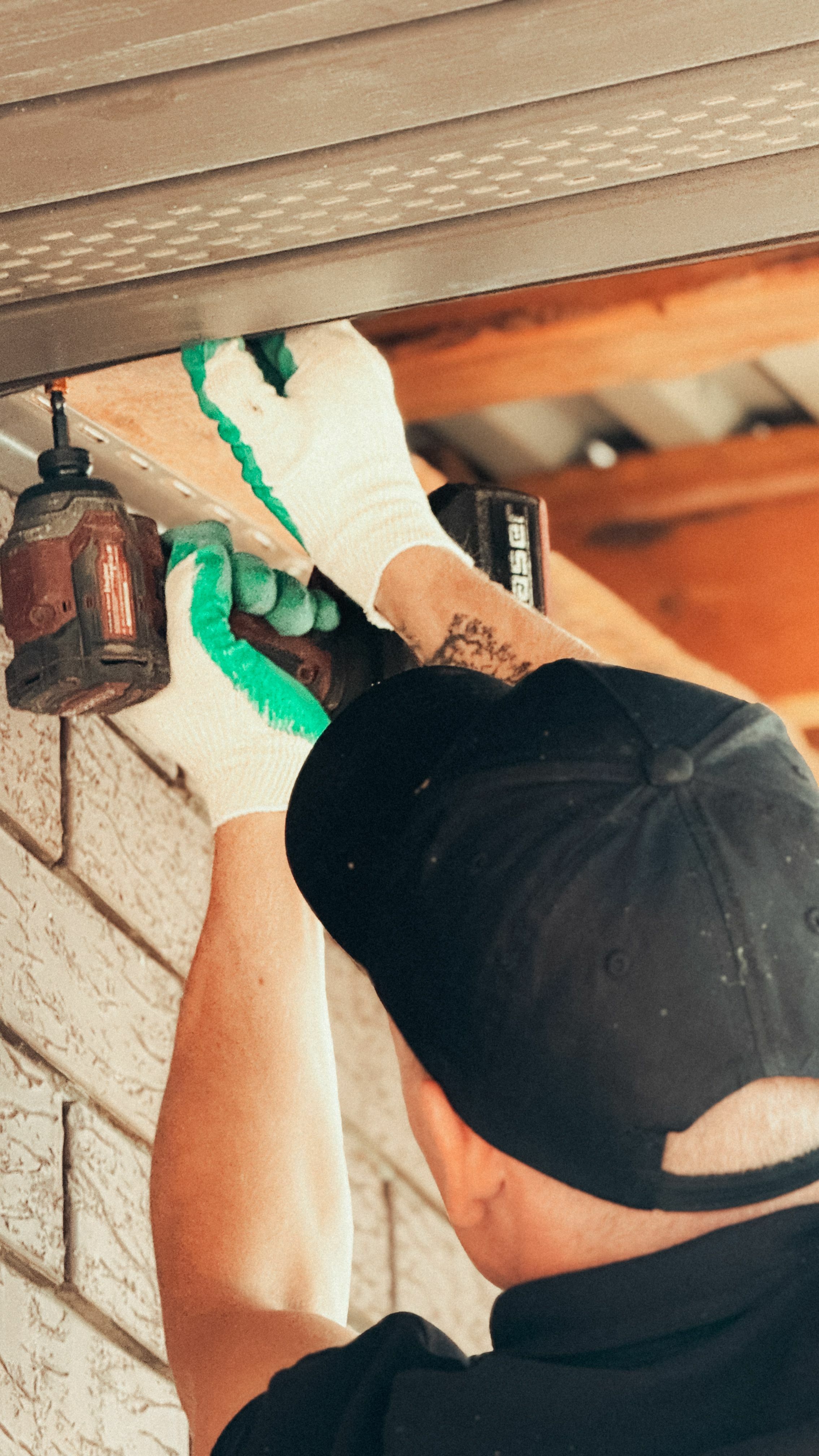
Minor fixes can be a manageable DIY project for experienced homeowners, but working at roof height always carries safety risks. If you tackle it yourself, be sure to use a sturdy ladder on level ground, wear proper eye and hand protection and never work alone.
If removing a damaged panel exposes soft wood or hidden framing rot, pause the project and have a professional evaluate the structure.
Cosmetic Issues
Peeling paint, minor discoloration or surface scuffs rarely require full panel replacement.
As long as the underlying material remains dry and solid, straightforward maintenance is all you need. Simple care starts with washing the area using a garden hose. For stubborn grime, use a non-abrasive detergent and a soft-bristled brush.
If you have wood soffit, recaulking seams and applying a fresh coat of paint or stain will restore its appearance at a fraction of the cost of replacement.
When Soffit Replacement Makes More Sense
Replacement becomes more ideal when damage extends beyond a small area or issues keep returning. It's also a good time to consider if you're ready to invest in better long-term durability or improved attic ventilation.
Extensive Water Damage
Widespread rot is a major reason to consider soffit replacement. If multiple sections are soft, deteriorated or structurally compromised, repeatedly patching these areas will not address the core problem.
The same applies if water reaches the structural framing behind the soffit (such as the rafter tails) or spreads outward to the fascia board.
Once damage moves past the surface panels into the supporting wood, the repair becomes a structural project rather than a quick cosmetic fix.
Repeated Repair Needs
If you find yourself repairing the same soffit area every couple of years, it's worth stepping back and looking at the bigger picture. Frequent repairs add up in labor, time and materials, while the underlying components keep deteriorating.
Replacement can make more sense when the existing soffit is nearing the end of its lifespan. If patches keep failing to solve the problem, it’s probably time to replace the whole soffit.
Ventilation Improvements
Replacement can also be a chance to improve attic airflow. If your existing soffits are blocked, damaged or poorly configured, installing a properly vented soffit system creates a better intake pathway and helps keep moisture from building up in the attic.
Baffles can also help maintain an open air channel between soffit vents and the roof deck while keeping insulation in place.
Cost and Long-Term Value Considerations
While a full replacement costs more upfront than a simple patch, those initial savings quickly disappear if underlying damage is left to spread. Investing in replacement pays off over time, especially when it allows you to upgrade your attic ventilation and prevent future rot.
Professional soffit replacement averages $2,200 (or $6 to $30 per linear foot), while spot repairs typically start around $300 but can climb to $7,200 for extensive structural damage.
Exact pricing depends on your home’s size, materials, accessibility and whether repairs are needed behind the panels.
How Material Selection Impacts Life-Cycle Savings
Material choice directly impacts your ongoing upkeep costs and overall ROI. While traditional wood soffit offers a classic aesthetic, it requires routine painting, staining and sealing to guard against rot, warping and insect damage over time.
Upgrading to aluminum soffit delivers superior long-term value. It is virtually maintenance-free, weather-resistant, non-combustible and completely impervious to pests.
Although aluminum may cost slightly more upfront than standard wood, eliminating repeat care and repair cycles makes it significantly cheaper over your home's lifespan.
Protect Your Home With Durable Soffit Solutions from Alsco®
Ultimately, when deciding between a patch and a full overhaul, evaluate the age of your current materials, the root cause of the issue and whether starting fresh provides better overall value to your home.
While minor surface issues can be patched, systemic rot or ventilation failure calls for a fresh start. Prompt action is what matters most — it keeps your roof edge protected, preserves ventilation and stops damage in its tracks.
Whether you need a quick repair or a complete overhaul, Alsco’s soffit systems and accessories are built for long-term protection.
Browse our products to find the right fit for your home, or contact our team if you’d like expert guidance on deciding between a patch and a replacement.