
How to Tell if Your Soffit Vents Are Blocked: The 5-Minute Attic Check
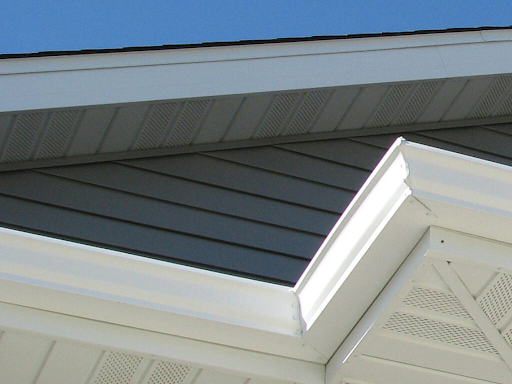
Does your attic feel like an oven in the summertime, even with the AC cranking, or have you noticed your energy bill creeping up? It might be time to check your soffit vents.
Soffit vents are easy to overlook, but they play a critical role in your home's ventilation system, letting fresh air into your attic and keeping air moving throughout your roof space.
When they get blocked, heat and moisture get trapped, leading to uncomfortable indoor temperatures, lower energy efficiency and even roof damage over time.
The good news? Most warning signs are easy to catch with a quick 5-minute attic inspection. Here's what to look for.
Why Soffit Vents Matter
Healthy attics depend on balanced airflow. Soffit vents act as the intake, drawing cool, fresh air into the lower attic space while ridge or roof vents allow warm, moist air to escape at the top. This continuous cycle regulates temperature and prevents moisture from accumulating year-round.
By maintaining constant airflow, proper ventilation can:
Reduce attic temperatures during hot weather
Minimize condensation during cool months
Extend the lifespan of your roof
Improve your HVAC’s efficiency levels
Lower your risk of mold and wood rot
Common Signs of Blocked Soffit Vents
Blocked soffit vents often show themselves slowly, making them hard to notice. Fortunately, your home gives you a few clues to look out for.
Excessive Attic Heat
One of the first warning signs is extreme attic heat. While it’s normal for an attic to feel warm during the summer — a modest amount of heat actually helps keep the space dry — it shouldn't be sweltering.
An attic typically runs 20 to 40 degrees warmer than the outdoor temperature, but anything consistently higher than 135°F is a sign that your attic airflow needs to be evaluated.
Trapped heat for extended periods can lead to increased and wasted cooling costs, premature aging of your roof and a higher strain on your HVAC system.
Moisture and Condensation Problems
Ventilation is just as critical in the colder months. During winter, warm air from your living space naturally rises into the attic. Without adequate airflow to push it out, that moisture becomes trapped and condenses on cold structural surfaces.
Key warning signs to watch for include damp insulation, visible moisture on roof decking, water stains, wood discoloration or mold odors.
Indoor Comfort Issues
Your attic directly affects how comfortable your living space feels day-to-day. When airflow is restricted, heat accumulates near the roof and creates temperature imbalances throughout your home.
As that trapped heat and humidity radiate downward, upper floors become stifling, individual rooms suffer from hot spots and indoor air ends up feeling heavy and stuffy.
The 5-Minute Attic Inspection
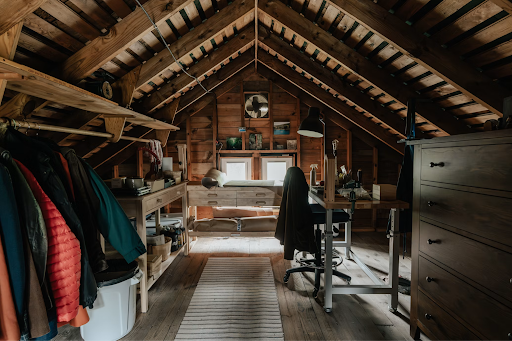
Before you call in a professional, there's a simple way to check things yourself. No specialized equipment is necessary — just a flashlight and about five minutes both inside your attic and outside under your eaves is all that’s needed.
Step 1: Check the Vents from Inside the Attic
Before going into your attic, remember to walk only on structural framing or designated walkways to avoid stepping through the ceiling below. Once inside, shine your flashlight toward the eaves — where the roof meets the exterior walls — and look for the following:
Daylight peeking through vent openings: A clear sign that air can circulate freely into your attic.
Insulation blocking the vents: Loose or shifted insulation pushed directly against openings.
Damaged or missing ventilation baffles: Broken, crushed or missing channels (the plastic, cardboard or foam pieces designed to keep insulation clear of airflow pathways).
Step 2: Evaluate the Vents From Outside
Next, head outside to check the soffit vents from ground level. Standing directly underneath your roof overhang, look up at the eaves. You should be able to spot the vents without needing a ladder.
Keep an eye out for:
Dirt and dust buildup on screens: Grime caked over the vent openings that chokes airflow.
Leaves and debris in vent openings: Windblown debris trapped directly inside the slats.
Nesting materials from animals: Packed twigs and insulation built by birds or small pests.
Spider webs covering vent holes: Dense webbing that captures dust and seals off air pathways.
Visible pest or rodent activity: Pest droppings, chewing or active bugs around the vent grilles.
Top 3 Common Causes of Blocked Soffit Vents and How To Address Them
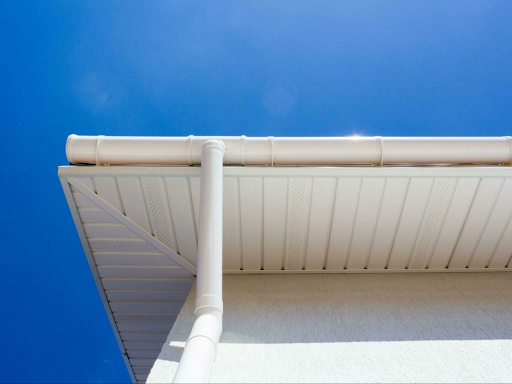
Soffit vents can become blocked for several reasons: some are avoidable, some are just a natural result of time and weather. The three most common culprits are improper insulation installation, debris accumulation and pest intrusion.
Improper Insulation Installation
Insulation is often the top culprit behind blocked vents. During installation, it can get pushed too tightly against the roof edge, sealing off intake airflow without anyone realizing until problems show up later. Common issues caused by insulation include:
Missing attic baffles
Insulation covering intake vents
Overfilled insulation near the eaves
The Solution: Reposition the insulation so it sits away from the vent openings, and install ventilation baffles to keep airflow pathways clear for the long term.
Debris Accumulation
Even well-installed vents gradually clog over time. Everyday weather like wind and rain can pack dust, dirt, pollen, leaves and small twigs deep into your soffit openings, slowly limiting your attic's fresh air supply.
The Solution: A routine visual inspection once or twice a year, especially after storms or in the fall, catches buildup before it becomes a real ventilation issue.
Pest Intrusion
The same small openings that let air in can also invite unwanted guests. Birds, wasps, rodents and insects are all drawn to the warm, sheltered space behind soffit vents. Beyond blocking airflow, pest activity can cause real damage, from chewed insulation and wiring to weakened wood framing.
The Solution: Install or repair vent screens to keep pests out without blocking airflow. Minor issues are easy to manage on your own — inactive nests can simply be knocked down, and light pest activity often responds to DIY treatments. For larger or persistent infestations, hire a professional pest control service to clear the area safely before securing your vents.
When Quick Fixes Aren't Enough: Upgrade to Alsco® Vented Soffit
Catching ventilation issues early takes just a few minutes, but a simple check won't solve structural problems. If your current soffit system is damaged, aging or simply undersized for your attic's ventilation needs, replacement is the best long-term solution.
Alsco's vented soffit systems deliver consistent intake airflow with virtually zero maintenance, protecting your roof and keeping your attic cool season after season.
Contact us today to get started, or explore our complete lineup of exterior building products to finish your home upgrade.