
Preparing for Spring Showers: Gutter Installation Tips

Spring is here, bringing warmer weather, blooming flowers, and of course, plenty of rain. While those refreshing showers awaken your garden, they can also reveal hidden weaknesses around your home.
One often-overlooked hero in protecting your house? Your gutters. Properly planned and installed, they whisk water safely away from your roof, walls and foundation. With a few smart gutter installation tips, you can keep your home dry, safe and ready to shine all season long.
Why Gutter Installation Is Essential for Spring
Spring rain arrives fast and heavy, making efficient water management crucial for homeowners. Gutters act as a controlled pathway for rainwater, guiding it away from the most vulnerable parts of your home.
Protecting Your Home from Water Damage
Without gutters, or even with poorly installed ones, rainwater can cascade directly off the roof and collect near a home’s foundation. Over time, repeated saturation can lead to basement leaks, wood rot, foundation cracks and mold growth.
Overflowing water can also damage siding, fascia boards and soffits — key components of your roofing system. Well-installed gutters intercept water before it becomes a costly problem.
Ensuring Proper Drainage During Rainy Seasons
Spring storms can deliver large volumes of water in very short periods of time. Installing gutters and downspouts designed for your specific roof size and local average rainfall helps prevent pooling and erosion.
By directing water away from landscaping and central walkways, gutters also reduce soil displacement and keep planting beds intact.
Key Considerations Before Installing Gutters
Before selecting gutter materials or climbing a ladder, it’s worth stepping back to first assess your home’s specific needs. A little upfront planning can prevent performance issues later on.
Assessing Your Home’s Roof and Landscape
Roof size, pitch and shape all influence how much water a gutter system needs to handle. Steeper roofs shed water more quickly, requiring larger gutters or additional downspouts.
Landscaping matters, too. Sloped yards, garden beds and hardscaping features all affect where water needs to be directed once it leaves the downspout. It’s also important to understand how additional roof components, like a drip edge, can work alongside gutters to prevent water from slipping behind the system.
Choosing the Right Gutter Materials
Material selection is an important part of your decision-making process. The right material will help ensure your gutters fit your durability, aesthetic and maintenance needs.
Here are some key material options to consider:
Aluminum is popular for its color flexibility, corrosion resistance and lightweight design. It is also a low-maintenance option and performs well in a wide range of climates, making it a versatile option for many homes.
Steel offers superior strength and durability, which can be especially beneficial in areas that experience heavy rainfall, snow or high winds.
Copper gives a distinctive, high-end look. However, it normally comes with a higher upfront cost and not all homeowners like the patina that develops over time.
Vinyl is a budget-friendly solution that resists denting and corrosion, but it is more susceptible to warping and cracking in fluctuating temperatures.
Deciding Between DIY vs. Professional Installation
Some homeowners are comfortable tackling gutter installation themselves, especially on single-story homes with straightforward rooflines. However, proper pitch, secure fastening and watertight seams are critical to optimal performance.
Professional installers bring years of experience, specialized tools and proper safety training that can be valuable for complex or multi-story homes.
Types of Gutters and Downspouts

Some gutter systems outperform others. Understanding the available styles and configurations on the market helps ensure the system you choose matches your home’s unique design and functional needs.
K-Style vs. Half-Round Gutters
The most common gutter option on modern homes is K-Style. Their flat backs make them easier to mount, and their shape allows them to hold more water than half-round gutters of the same width.
Half-round gutters, often found on historic or traditional-style homes, give a softer, more classic look. They typically require more frequent cleaning due to their open shape.
Downspout Placement and Size Considerations
Downspouts play a critical role in moving water away from a home. Poor placement leads to water pooling near the foundation. During heavy rain, homeowners can deal with overflowing water.
Most homes benefit from downspouts every 20 to 40 feet, but roof size and rainfall intensity may require adjustments until you find the right spot.
When deciding your downspout placement, you should consider:
Positioning downspouts at the corners and ends of drainage runs
Adding extra downspouts in valleys where water tends to collect.
Using extensions or underground drains to carry water safely away from the foundation
Placing downspouts thoughtfully to complement your home’s architectural style
Gutter Installation Tips: The Process
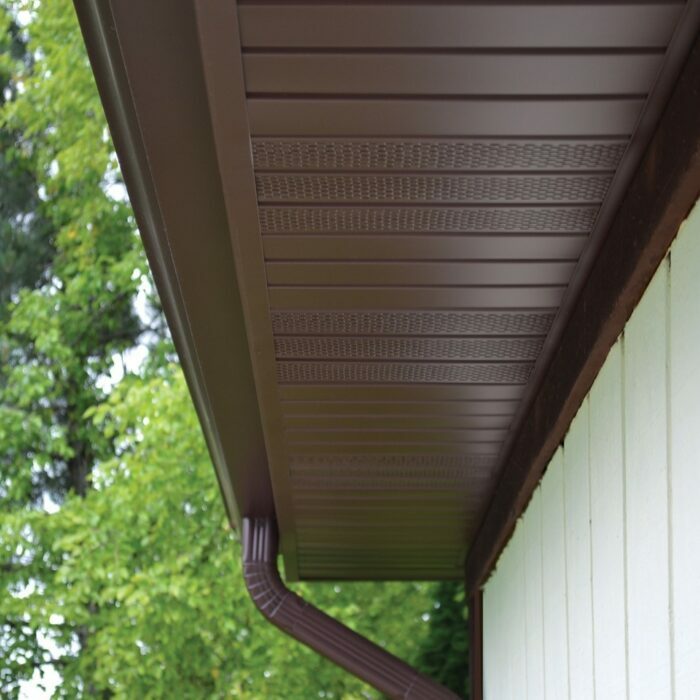
A successful gutter installation relies on precision at every step of the process, from preparation to the final fastening.
Preparing the Roofline and Fascia
Before the gutters go up, fascia boards should be inspected for damage or rot. If any issues arise, address those first to ensure a secure attachment.
Installing a drip edge helps guide water into the gutter rather than behind it, helping reduce long-term moisture damage.
Measuring and Cutting Gutters to Fit
Accurate measurements are vital. Gutters should be cut to fit each roof section precisely, allowing for proper overlapping at the seams. Pre-planning hanger placement also helps maintain consistent spacing, helping support the gutter under the weight of water and debris.
Securing Gutters and Ensuring Proper Pitch
Gutters need a slight slope toward the downspout to encourage smooth water flow, usually about ¼ inch for every 10 feet. Not enough pitch causes standing water, while too much leads to visible sagging.
Tightly secured fasteners and evenly spaced hangers help maintain a gutter’s alignment for the long haul.
Common Gutter Installation Mistakes to Avoid
Even quality materials can underperform if shortcuts are taken during installation. Here are three common gutter mistakes to steer clear of:
Incorrect slope: Gutters with the wrong pitch can overflow or freeze, reducing their lifespan.
Skipping gutter guards: Leaves and debris can clog gutters, so guards help prevent overflow and water damage.
Unsealed joints and end caps: Leaks at seams can damage fascia boards and siding, so always seal and waterproof properly.
Maintaining Your Gutters for Spring and Beyond

While installation lays the foundation, ongoing maintenance is what keeps your gutters working reliably year after year.
Cleaning Gutters Before and After Spring Showers
A thorough cleaning in early spring removes the winter debris and prepares your system for heavy rain. Checking again after the spring season helps catch small issues before they escalate to mold or rot.
Checking for Leaks and Damage
Look for sagging sections of your gutters, loose fasteners and signs of leaking at the joints. Addressing minor repairs promptly helps prevent more costly damage later.
Installing Gutter Guards to Reduce Debris Build-Up
While not required, gutter guards or screens can significantly reduce debris buildup from leaves and twigs. If your home is surrounded by trees, you’ll greatly benefit from adding gutter guards or screens, as clogs are a leading cause of overflow and water damage.
Rain or Shine, Alsco® Has You Covered
Preparing for spring showers means understanding how water flows around your home and taking steps to stay ahead of it. The right gutter solutions combine smart material choices, expert installation and simple upkeep to protect your home for the long term.
With a little planning now, you can keep your roof, walls and foundation safe while enjoying every rainy day without worry.
For over 75 years, Alsco has helped homeowners stay dry with durable, low-maintenance aluminum rainware systems. Discover our full range of roof drainage solutions and take the first step toward a smarter, safer gutter system today.