
Identifying Soffit Damage: 9 Signs Your Soffit Is Costing You Money
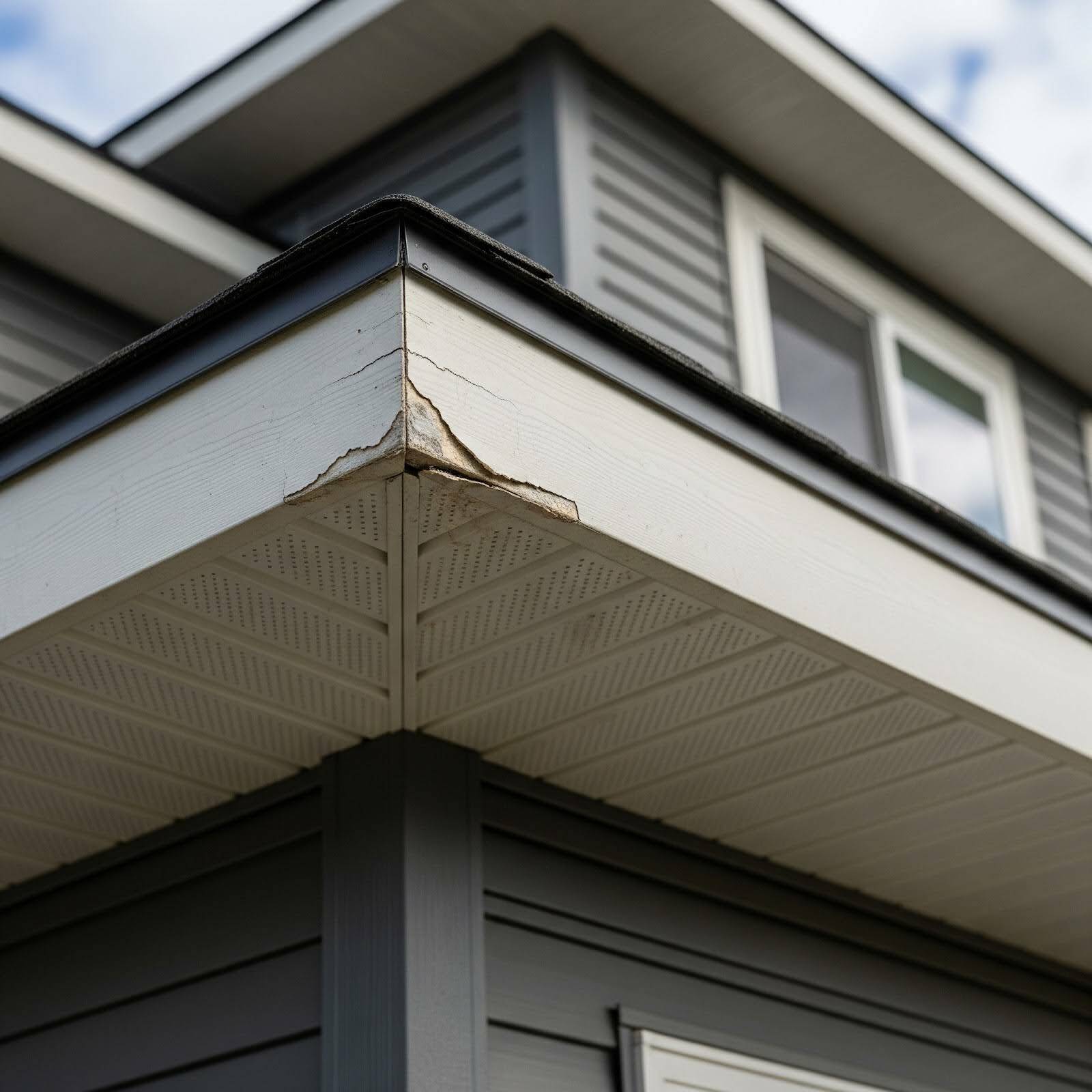
Although soffits don’t always draw attention, any damage or deterioration can drastically reduce how well they protect your home. When soffit damage occurs, it can lead to poor ventilation, higher energy bills, moisture issues and structural damage — consequences that slowly and quietly drain your wallet.
Knowing how soffit problems affect your home makes it easier to spot warning signs early. By addressing them promptly, you can prevent small issues from turning into expensive headaches down the road.
Understanding Soffit and Its Role in A Home
Your soffit is the material installed beneath the eaves of your roof. It acts as a finishing surface between the roof overhang and your exterior walls. While it’s a small detail on your exterior and easy to overlook, your soffit serves several important purposes.
For one, it supports proper airflow. Most soffit panels include ventilation that allows fresh air to circulate through your attic. This feature prevents heat buildup in the summertime, reduces moisture accumulation in the winter and keeps your roof structure healthy year-round.
Soffit also acts as a barrier between your home and the outdoor elements. It prevents rain, snow, pests and wind from entering vulnerable areas along your roofline. Without soffit protection, your rafters, insulation and interior walls become susceptible to dampness and decay.
Properly functioning soffit contributes to energy efficiency, structural integrity and curb appeal. However, when it begins to deteriorate, the effects can spread quickly. Knowing what to look out for is essential.
9 Signs Your Soffit Isn't Doing Its Job
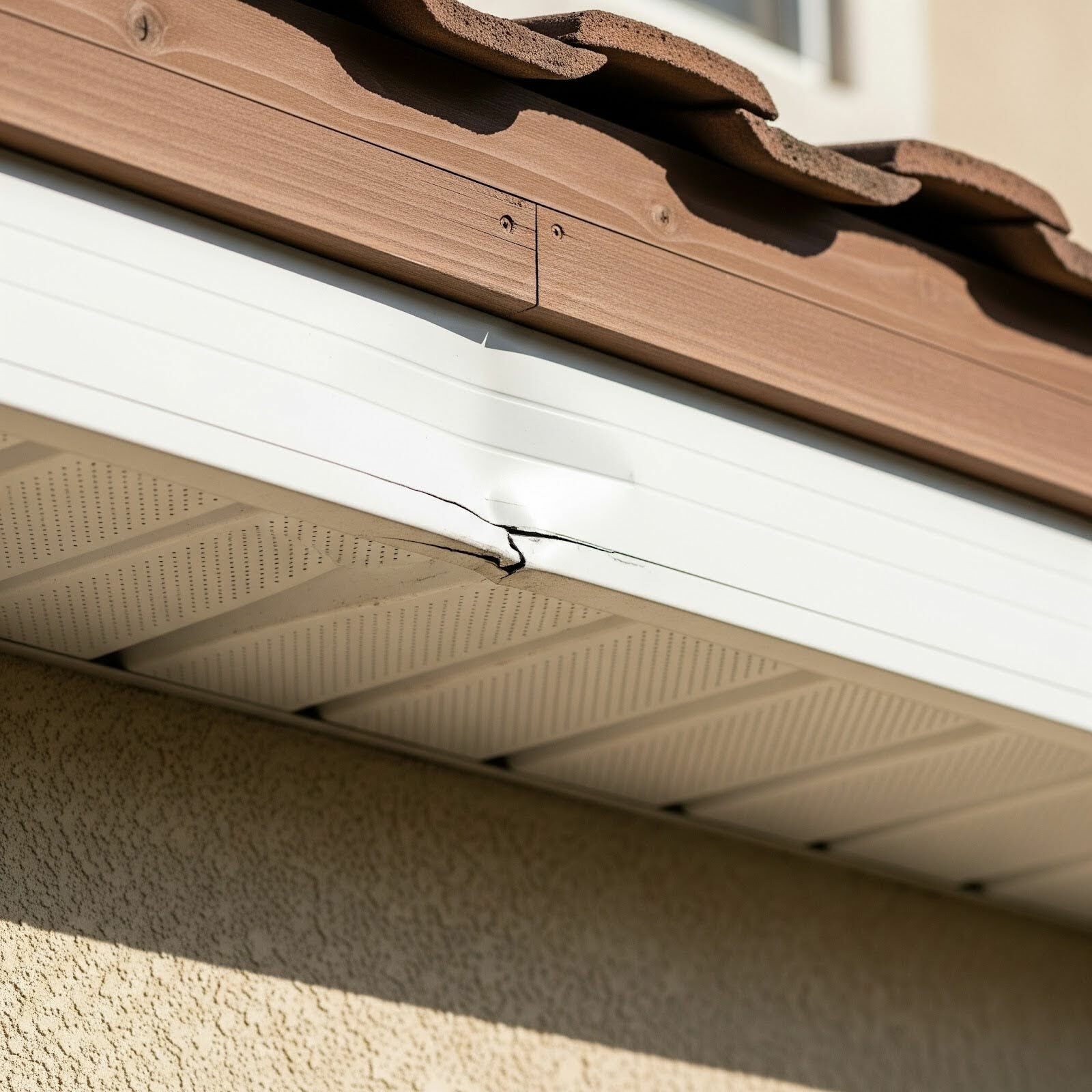
Below are the most common red flags that show your soffit may be damaged or costing you money.
Mold or Mildew in the Attic
Moisture is one of the biggest threats to your home. When ventilation is compromised, humidity builds up in the attic, creating ideal conditions for mold and mildew to grow.
Mold and mildew can spread to your insulation, rafters or drywall. If you start to notice musty odors or discoloration in your attic, take a closer look at your soffits.
Ice Dams in Winter
When heat from inside your home escapes through poorly insulated or ventilated areas of the roof, it warms the roof surface just enough to melt the snow in some spots. This melted snow then refreezes near the eaves, creating ice dams.
If you have repeated ice dams, your shingles, gutters and fascia can get damaged, resulting in costly repairs.
Peeling Paint or Warped Exterior Trim
Look at your roofline. If you see peeling paint, bubbling surfaces or warped trim, moisture may be trapped behind damaged soffits. Water infiltration starts small but can quickly affect the surrounding areas, like fascia boards and siding.
Surface deterioration is one of the earliest, most visible signs of soffit trouble.
Roof Shingle Damage
Many homeowners don’t realize that their shingle problems may actually be linked to poor soffit ventilation. When heat becomes trapped in the attic, it radiates upward, shortening the lifespan of your shingles and leading to cracking, curling or premature granule loss.
If you find yourself making roof repairs more often than expected, inadequate soffit ventilation could be the hidden culprit.
Water Stains on Ceilings or Walls
Never ignore water stains in your home. While they may signal a roof leak, soffit damage could be the real issue. When soffits fail to keep moisture out, water can seep through the roofline and eventually reach your walls or ceilings, causing costly interior damage.
Always keep an eye out for peeling paint, discoloration or soft drywall. Any of these findings can indicate that moisture is finding its way indoors.
Animal or Insect Infestations
Cracked, rotted or gapped soffits provide easy entry points for squirrels, birds, wasps and other pests. Once inside your attic or walls, they can build nests, chew through wiring and cause extensive damage that’s costly to repair.
Watch for signs of pests and pay attention to scratching or scurrying noises. These can be red flags that your soffits have openings.
Visible Rot or Sagging Wood
Wooden soffits are vulnerable to rot when exposed to excessive moisture. Signs of deterioration such as spongy wood, darkened patches, sagging panels or visible gaps indicate that your soffits are no longer protecting your home effectively.
If left unaddressed, wood rot can spread to rafters and fascia, significantly increasing repair costs.
Poor Indoor Air Quality
Roofing ventilation plays a major role in keeping indoor air quality fresh and healthy. If your ventilation isn’t working adequately, pollutants, humidity, allergens and stale air can circulate more easily through the home.
If you notice your air is stuffier than usual, or if your allergies seem worse, your soffits may need attention.
Frequent Gutter Problems
When gutters overflow or separate from the home, many people assume the gutters themselves are at fault. While this can be true, deteriorating soffits can also compromise the stability of your gutter system.
When soffits are damaged, your gutters can shift out of alignment and lose stability. That means they’re less effective at directing water away from your home and more likely to sag or pull away from the roof.
Repeated gutter issues could be a sign that the underlying soffit needs repair or replacement.
Considerations for Repair or Replacement
Once you’ve identified signs of soffit damage, the next step is to determine whether to repair or replace.
Minor issues can be fixed with a simple repair, while widespread rot, severe ventilation failure or recurring moisture problems often indicate the need for a full replacement.
If it’s time for a full upgrade, you should consider these key aspects:
Material Durability: Vinyl and aluminum provide long-lasting, low-maintenance alternatives to wood.
Ventilation Needs: Properly vented soffit panels are essential for protecting your home.
Aesthetic Compatibility: Matching (or contrasting) soffit, fascia and siding ensures a cohesive look for your exterior.
Long-Term Value: Investing in quality materials helps prevent future issues, reduces maintenance costs and improves your home’s resale value.
Get Peace of Mind With Alsco®
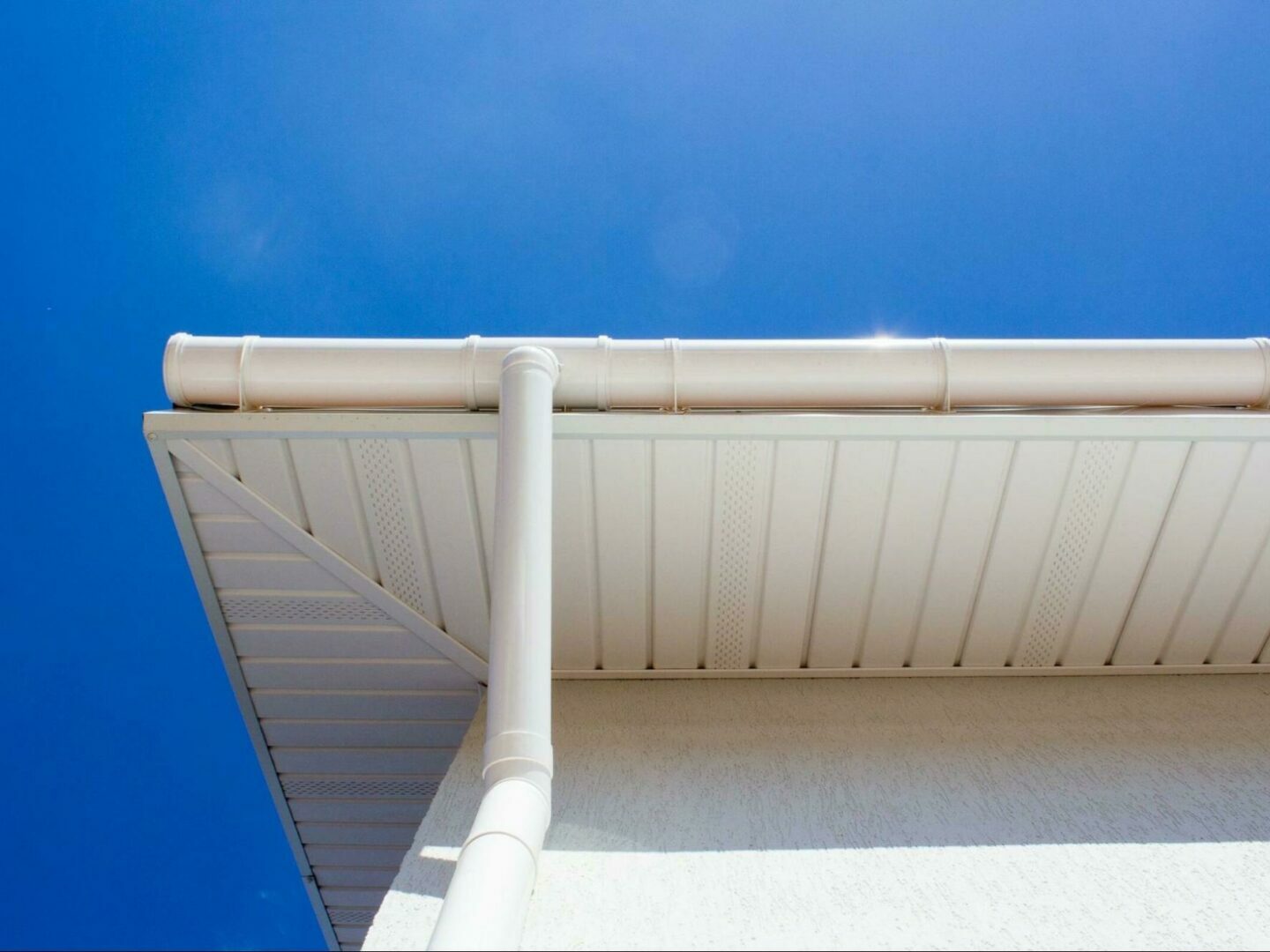
While your soffit may seem out of sight, it should never be out of mind. Catching damage early protects your home from moisture, pests and energy loss, saving you money and preserving the strength of your exterior.
If you’ve spotted any of the warning signs, don’t wait. Explore Alsco’s durable, reliable soffit solutions today and take the first step toward a more efficient, long-lasting and beautiful home exterior.