
Tudor House Style: Why Classic Trim Fails and the Secret to Low-Maintenance Beauty
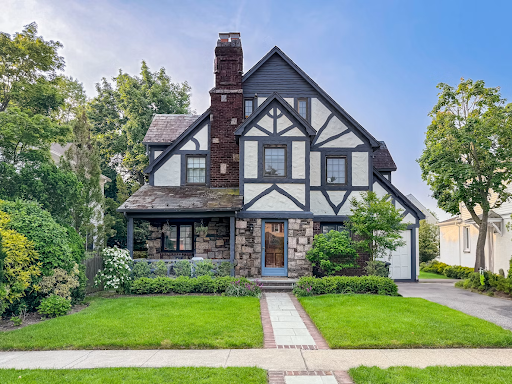
The Tudor house style is unmistakable. With its dramatic dark half-timbering set against light stucco, steep gables and classic stonework, it offers a level of curb appeal few architectural styles can match.
However, that contrast comes at a cost. On older homes, traditional wood trim struggles to withstand the elements, leading to cracking, rot and constant repainting.
Luckily, homeowners no longer have to choose between a classic Tudor look and ongoing upkeep. Aluminum cladding protects vulnerable architectural details while keeping the bold contrast that defines the style.
Whether you're restoring a historic home or remodeling a modern Tudor, aluminum trim solves the failure points of traditional wood, saving time and money in the process.
Understanding Tudor-Style Trim Failure: Why Does It Happen?
The wood framing of a Tudor home isn't just decorative — it also acts as a primary seal against weather. However, leaving so much wood trim exposed to the elements creates ongoing vulnerabilities.
To protect your home, it helps to understand the main reasons traditional wood trim fails over time:
Moisture Exposure and Temperature Fluctuations
Trapped moisture causes building material deterioration and mold growth within wall assemblies. Wood trim, which frames windows, adds contrast and seals vulnerable material transitions, is particularly at risk.
Additionally, temperature fluctuations cause wood to expand and contract over time, leading to warping, splitting, rot, paint failure and moisture intrusion behind your siding.
Pest Infestations
Moisture-damaged wood creates an ideal habitat for unwanted pests. As damp wood softens, it attracts pests that chew away at your home's framing.
Insects like carpenter ants, termites and wood-boring beetles hollow out weakened trim. Even woodpeckers can chip away at the exterior, leaving your home exposed to further water damage.
Sun and UV Degradation
Constant sun exposure bakes the wood surface, breaking down protective paints and caulking. As sealant dries out, shrinks and cracks, it breaks the outer protective barrier, opening up direct pathways for water and pests to get inside.
Where Is the Failure Most Visible?
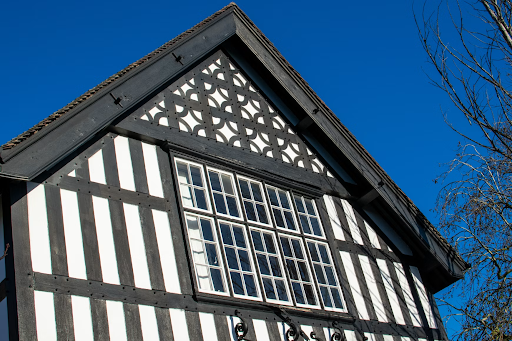
Architectural Openings
One of the first places trim begins to fail is around windows and doors. Rainwater collects around these openings, and if trim or flashing deteriorates, water can seep behind the cladding. Eventually, this can lead to damaged framing, sheathing or insulation.
Siding Overlays
Decorative timber overlays and horizontal trim boards create that signature Tudor appearance. However, this style also introduces additional joints where moisture can collect. As paint begins to peel and wood expands, these horizontal transitions become a prime spot for water infiltration.
Material Transitions
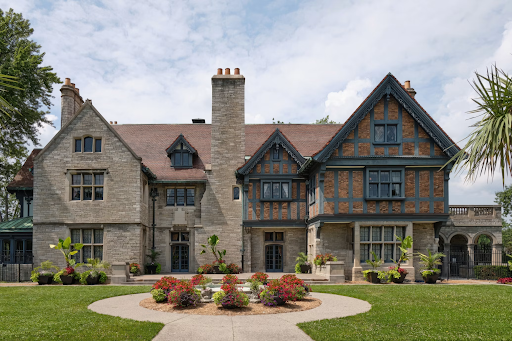
The Tudor house style often calls for stucco, masonry, brick and decorative wood elements. These different materials expand and contract at different rates throughout the changing seasons.
Without durable trim protecting those transitions, staining, cracking and discoloration may develop where materials meet.
Structural Connections
Deck ledger boards are among the most vulnerable structural areas on many homes. The International Residential Code (IRC) requires proper flashing at deck ledgers because water intrusion at these connections can result in hidden structural decay.
The Modern Trim Solution: Upgrading to Aluminum
For decades, wood was the standard choice for Tudor trim because it was easy to cut, shape and paint.
However, maintaining exposed wood against rain, pests and UV rays is an endless cycle.
Heavy-duty aluminum trim offers a modern alternative that solves four main structural and aesthetic challenges:
Complete Moisture and Pest Defense
Unlike wood, aluminum won't absorb water, swell, rot or split. It creates a non-porous shield that cuts off access for insects and pests.
Preserves Historical Character
Custom-fabricated aluminum cladding wraps trim boards, window casings, fascia and decorative overlays with precision, maintaining the sharp shadow lines and authentic profile of classic Tudor architecture.
Permanent High-Contrast Color
Available in over 250 colors, modern aluminum trim coils easily complement any color scheme or architectural style. High-performance factory finishes resist UV chalking, fading and peeling, locking in that signature dark-on-light contrast for decades.
Long-Term Maintenance Efficiency
Replacing exposed wood surfaces with custom-wrapped aluminum eliminates the constant need for scraping, filling cracks and repainting every few years, giving you maximum protection with minimal upkeep.
Installation Basics for Aluminum Trim
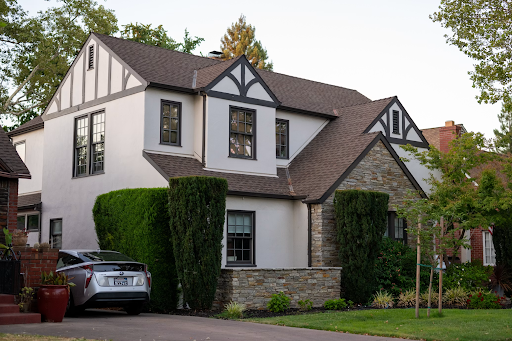
Proper Layering and Placement
Proper installation is just as vital as selecting high-quality materials. Modern trim systems should completely wrap vulnerable edges rather than simply covering visible faces. Key installation practices include:
Fully covering exposed wood edges
Integrating trim with flashing
Maintaining continuous weather-resistant barriers
Using manufacturer-recommended fasteners
Directing Water With Gravity
Water management in trim systems comes down to gravity. Trim should always be installed so that overlapping components direct water outward and downward, away from the building envelope.
Correct overlaps, properly sloped horizontal surfaces and integrated flashing all work together to prevent moisture from infiltrating exterior finishes.
Common Mistakes to Avoid
Even small installation errors can compromise your home’s defense, so watching out for frequent Tudor remodeling mistakes is crucial.
One major misstep is wrapping aluminum trim directly over rotted wood. Because aluminum trim is a protective shield rather than a structural fix, capping wet or decaying timber simply traps moisture inside and drastically accelerates framing damage.
It is essential to always replace damaged wood before capping, and be sure to use a protective barrier if capping over pressure-treated lumber.
Additionally, a Tudor's complex trim lines often hide unsealed seam gaps. These allow wind-driven rain to get behind your walls, so every seam must be properly flashed and sealed.
Protect Your Tudor House Style With Alsco®
A Tudor home's charm depends on its bold architectural details and high contrast, but those details don't have to come with constant upkeep.
At Alsco, our heavy-duty aluminum trim coil, soffit systems and roofing accessories help protect the areas most vulnerable to water damage while preserving the dramatic high-contrast appearance homeowners love.
With color-matched options designed to complement popular siding brands such as James Hardie® and LP® SmartSide®, homeowners get a clean, cohesive exterior that lasts.
Ready to protect your Tudor home's architectural details without the upkeep? Browse our full product line to start planning your project, or contact our team for a quote on aluminum solutions built to last.